
Builder's Nest GeoCell
Geocell technology provides advanced load support, erosion control, and slope stabilization for various construction and landscaping projects, enhancing site integrity across diverse applications.
Want to save 35% on construction cost with our GeoCells?
Tell us about your requirement so that our experts can formulate the right solution for you.
What makes our Geocell unique?
Optimized for Drainage and Friction
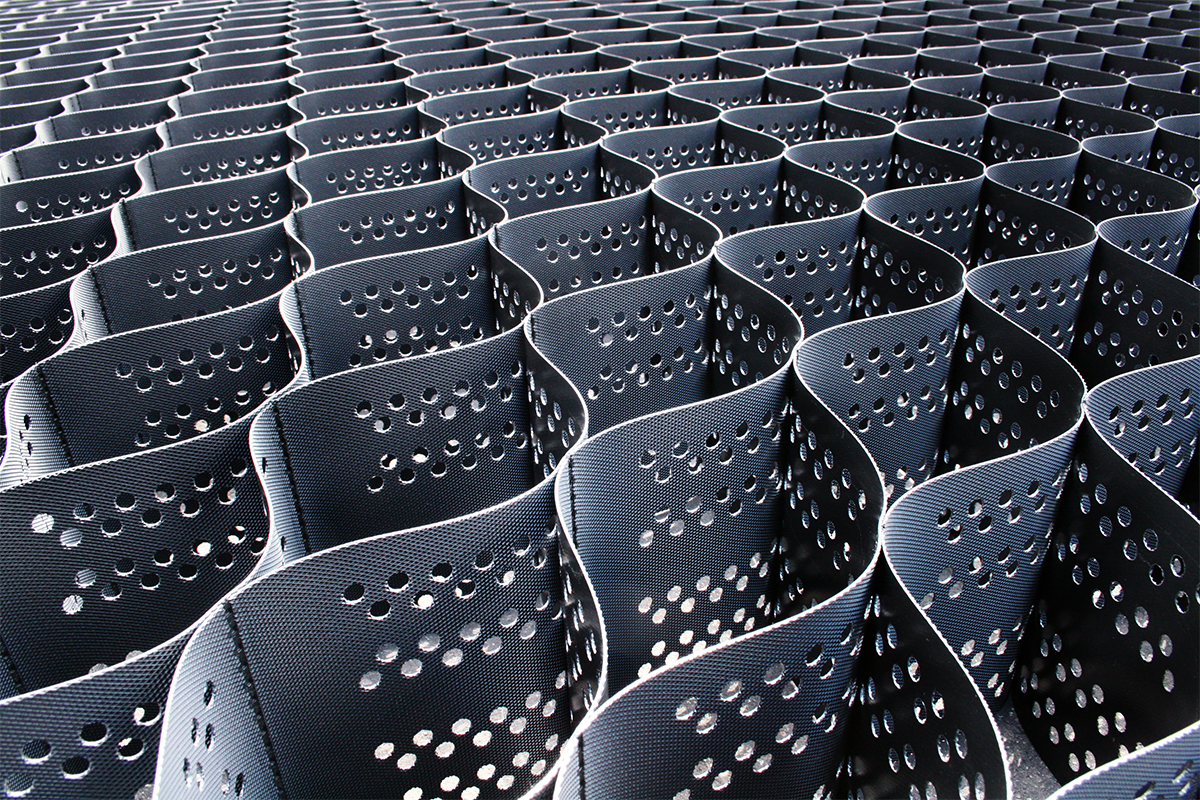
Our geocell features engineered perforations and deep texturing, enhancing drainage and maximizing friction for stable installations.
Customizable Weld Strength
We offer a range of weld strengths tailored to meet the specific demands of your project site, ensuring durability under various conditions.
Superior Environmental Stress Crack Resistance (ESCR)
With ESCR performance of up to 5,000 hours, our geocells provide long-lasting resilience in harsh environments.
Custom Sizing
Our geocells are available in customizable sizes, ensuring an ideal fit for diverse project requirements.
Enhanced Load Distribution
The cellular structure spreads imposed loads efficiently, significantly boosting the load-bearing capacity of weak subgrades.
Erosion Control
The geocell confines infill materials, preventing displacement and erosion, offering reliable long-term soil stabilization.
Quick Installation and Low Maintenance
Our geocells are quick to install compared to traditional solutions and require minimal maintenance, reducing life cycle costs.
Sustainable and Cost-Effective
By allowing the use of locally sourced infill materials and minimizing transport costs, our geocells foster green infrastructure solutions while reducing the overall project footprint.
Features
Benefits of Using Geocell
Geocell technology offers a robust, sustainable, and cost-effective solution for a wide range of load-bearing, erosion control, and drainage applications.
Superior Load Support
Distributes compressive and tensile stresses, enhancing load-bearing capacity of weak soils. Ideal for roads, parking lots, and industrial surfaces.
Effective Erosion Control
Prevents soil displacement by confining infill material, stabilizing slopes, embankments, and shorelines.
Improved Drainage
Perforated cells promote efficient water drainage, reducing flood risks and preventing clogging in drainage systems and canals.
Versatile Applications
Works on slopes, flat surfaces, and underwater areas. Compatible with various infill materials like soil, gravel, sand, and concrete.
Cost-Effective Solution
Reduces the need for thick foundation layers and extensive materials, lowering overall project costs while enhancing performance.
Durable and Low Maintenance
Resistant to weather, UV exposure, and harsh conditions. Offers long-term performance with minimal maintenance.
Builder's Nest GeoCells
WhyChoose Us?
We are the leading provider of geocell solutions, offering a range of benefits for your construction and landscaping projects.
Proven Expertise
Decades of experience delivering geocell-based solutions across various industries.
High-Quality Products
Durable, eco-friendly, and cost-effective materials designed for lasting performance.
Custom Solutions
Tailored geocell configurations to meet your unique project requirements.
Complete Support
From design to implementation, we provide comprehensive support to ensure your project's success.
Sustainability Focus
We prioritize environmentally friendly practices, reducing waste and optimizing resources.
Cost Effective
Our solutions minimize the need for additional materials and reduce long-term maintenance, offering significant cost savings for your projects.

BIS Certified
CE Certified

ISO Certified
gai-lap Certified

NABL Certified
BIS Certified
CE Certified
ISO Certified
gai-lap Certified
NABL Certified
BIS Certified
CE Certified
ISO Certified
gai-lap Certified
NABL Certified
BIS Certified
CE Certified
ISO Certified
gai-lap Certified
NABL Certified
OUR PROJECTS
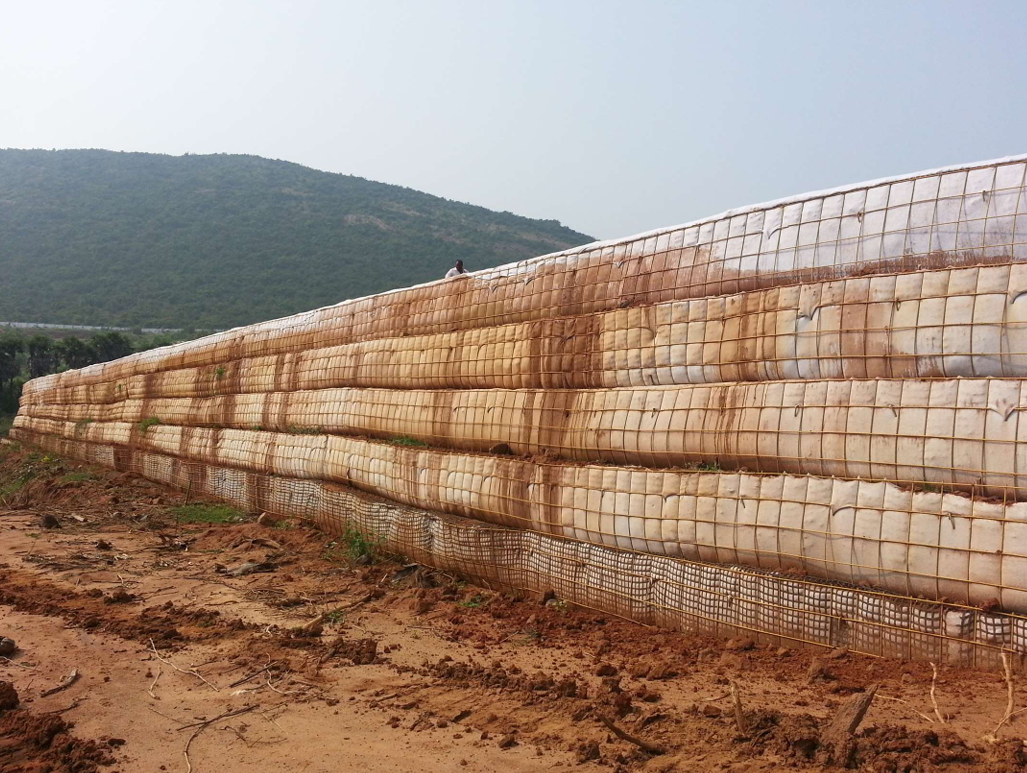
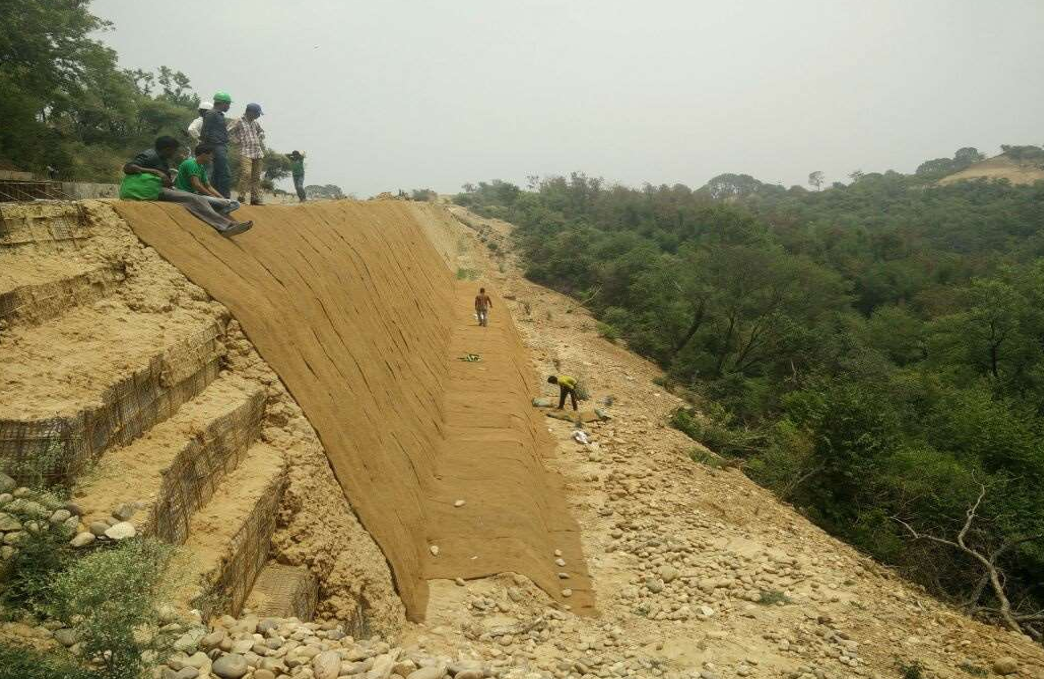
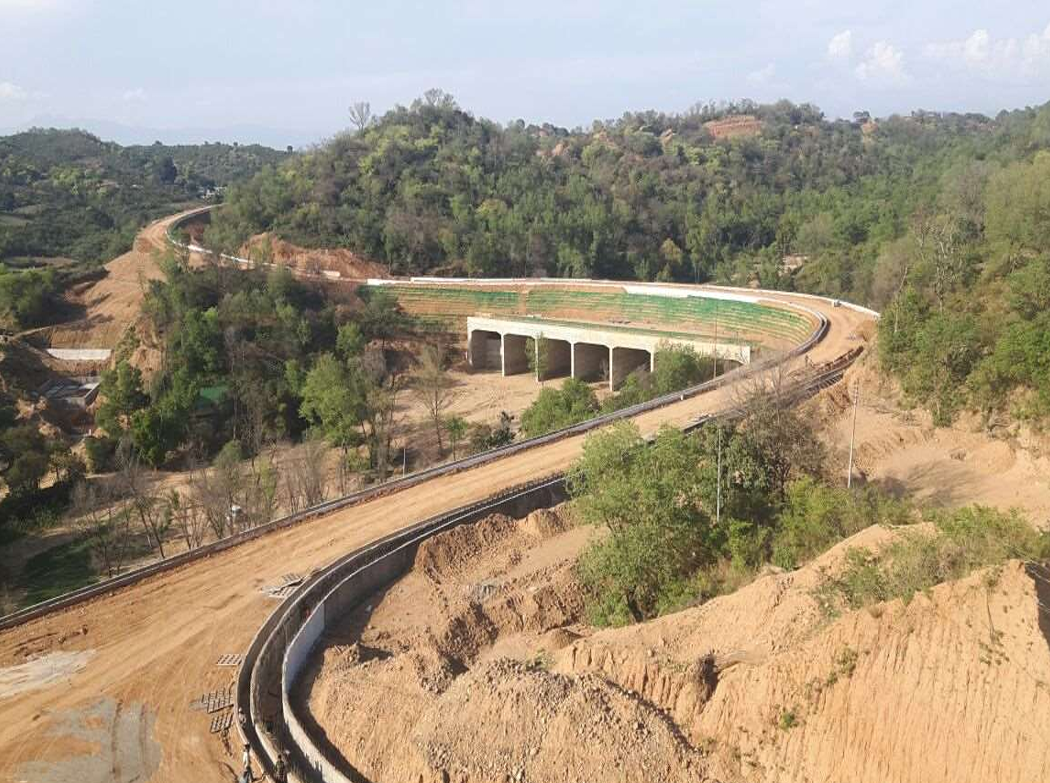
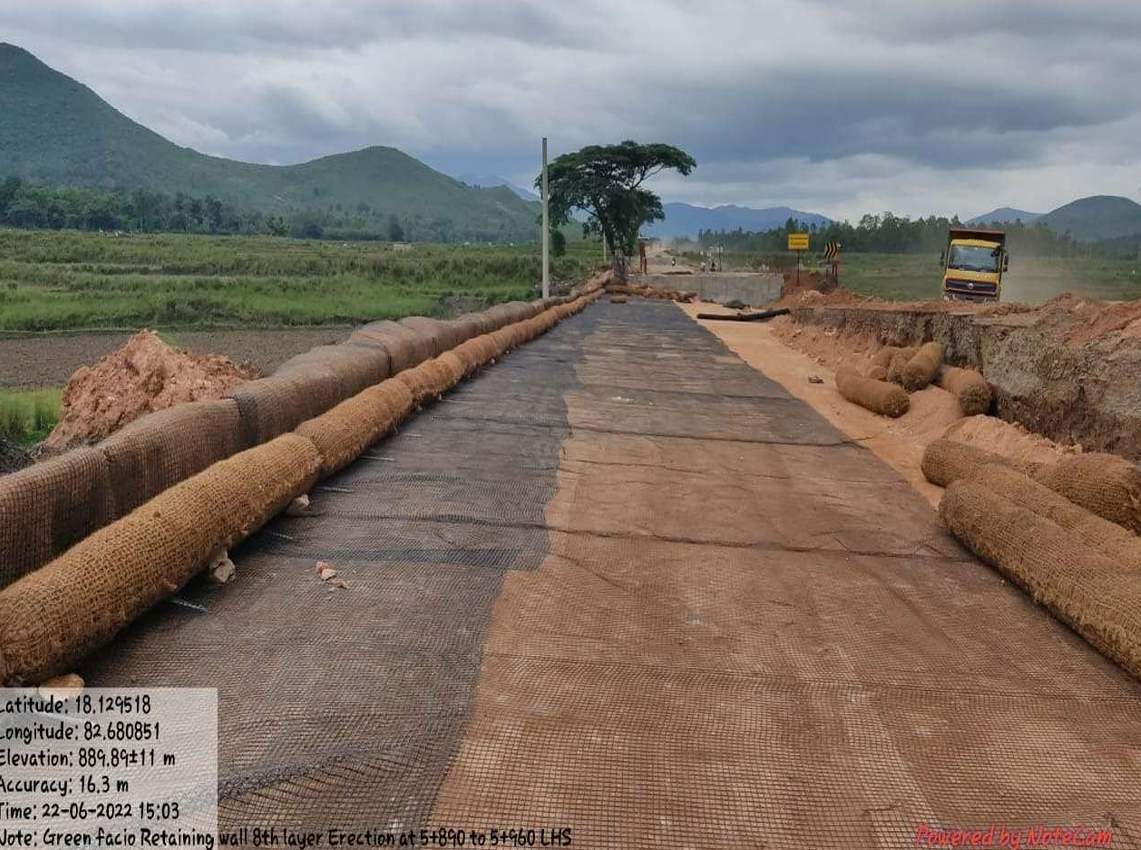
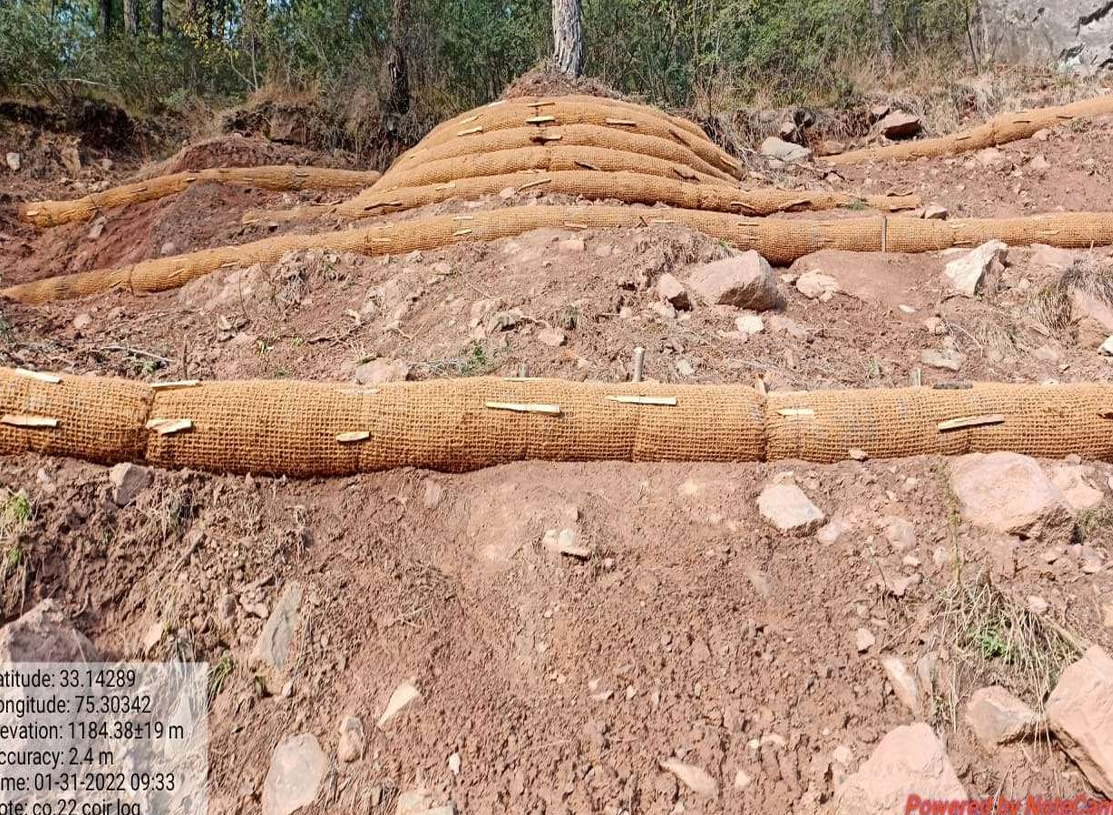
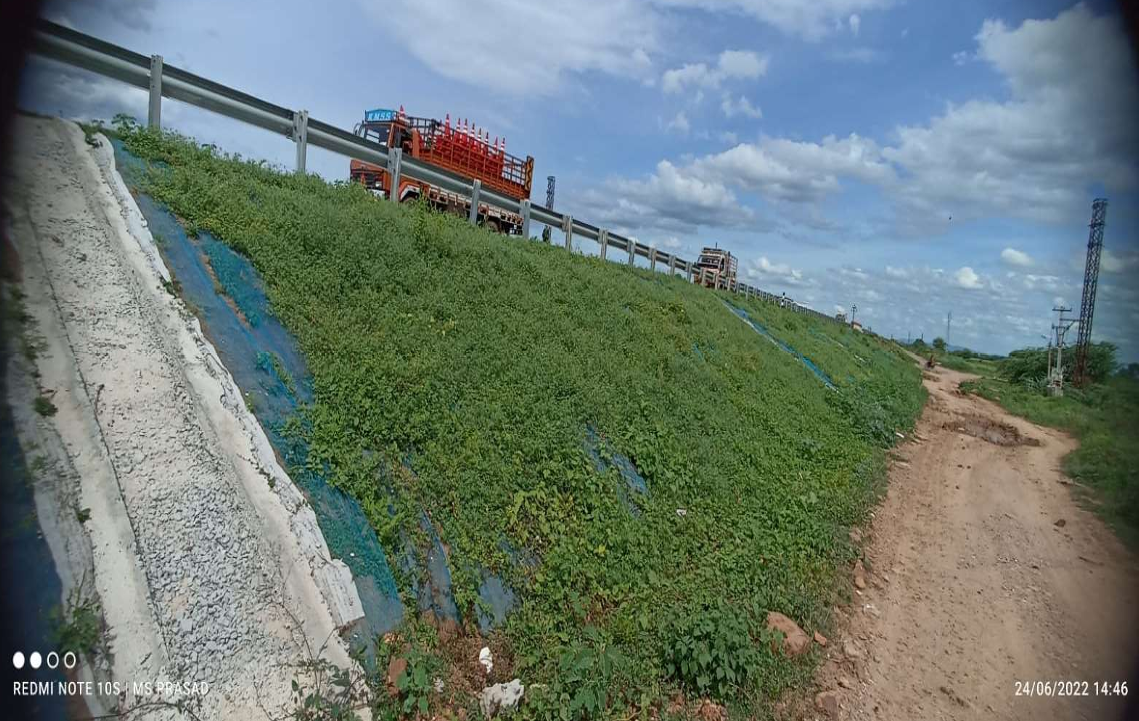
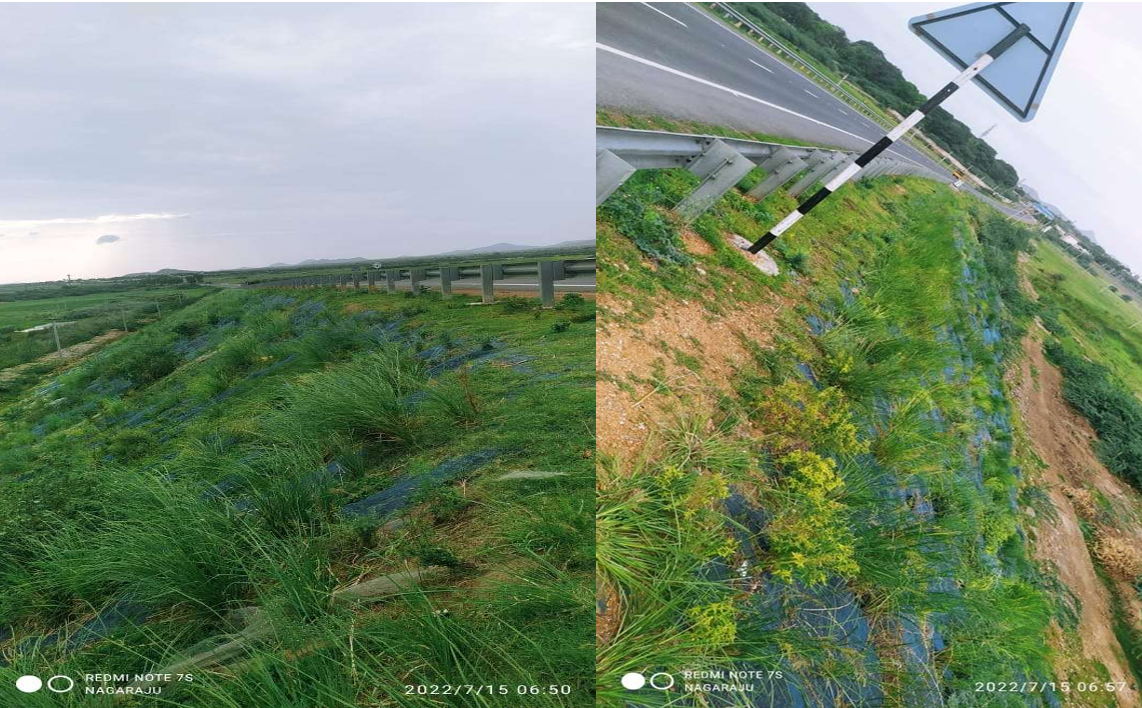
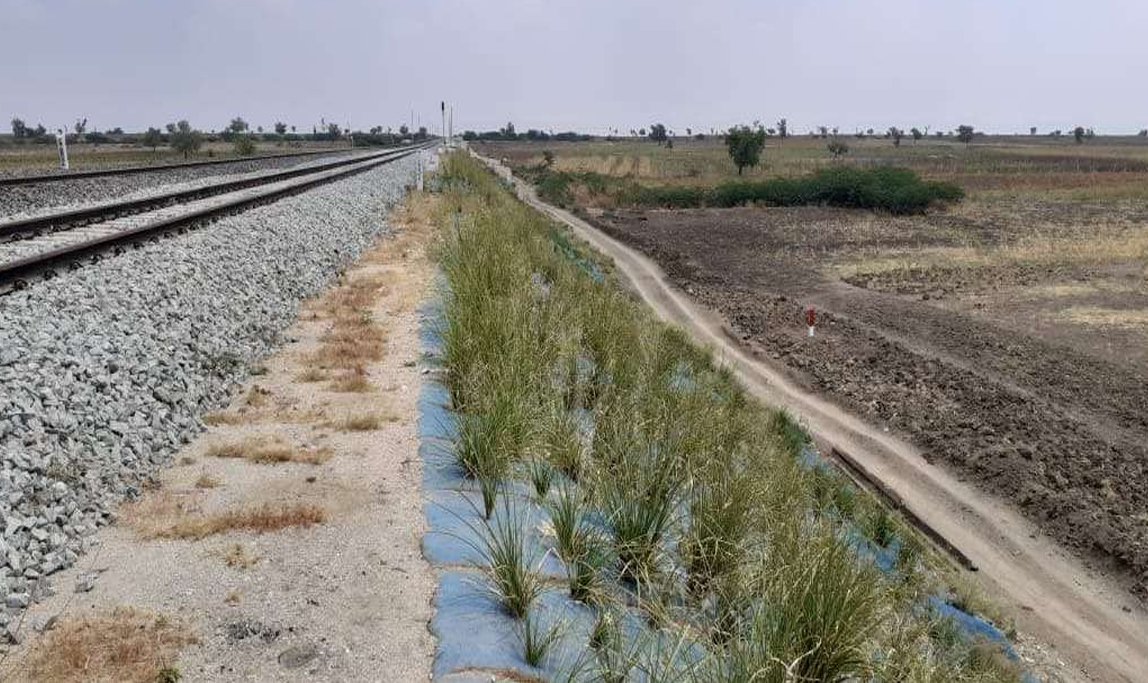
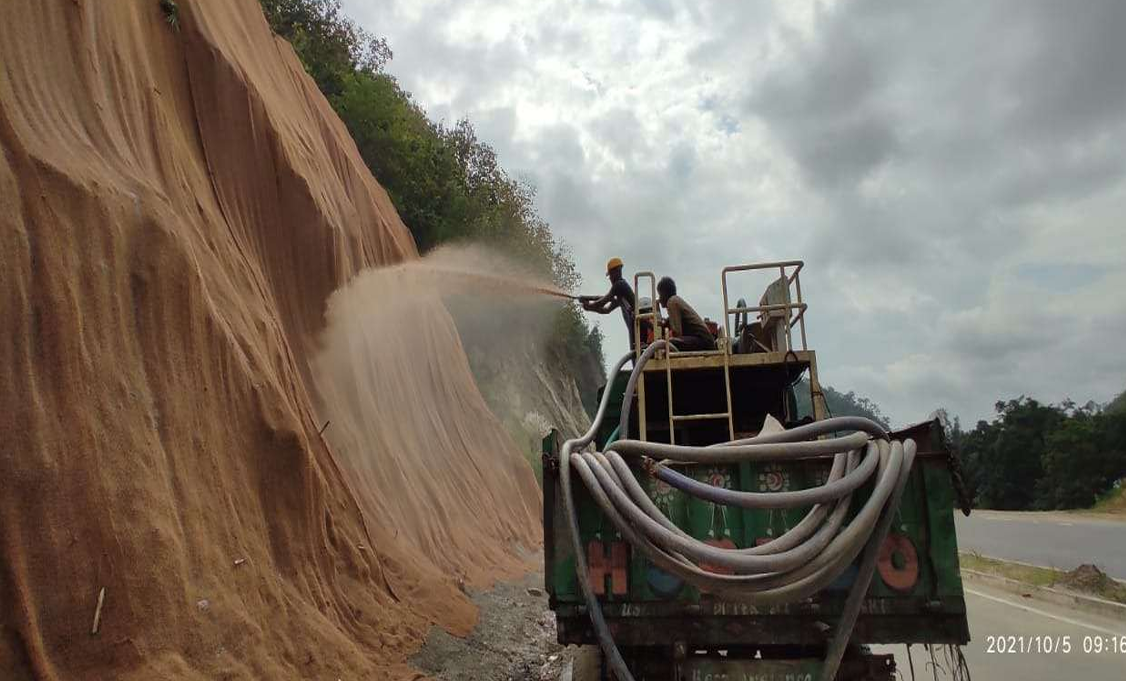
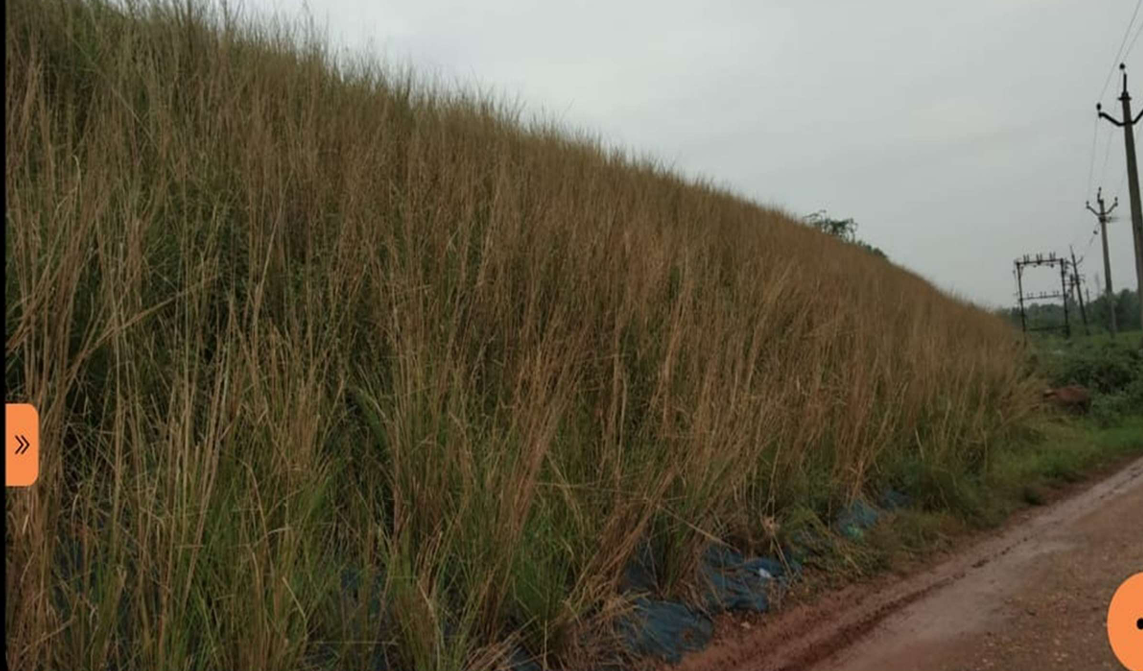
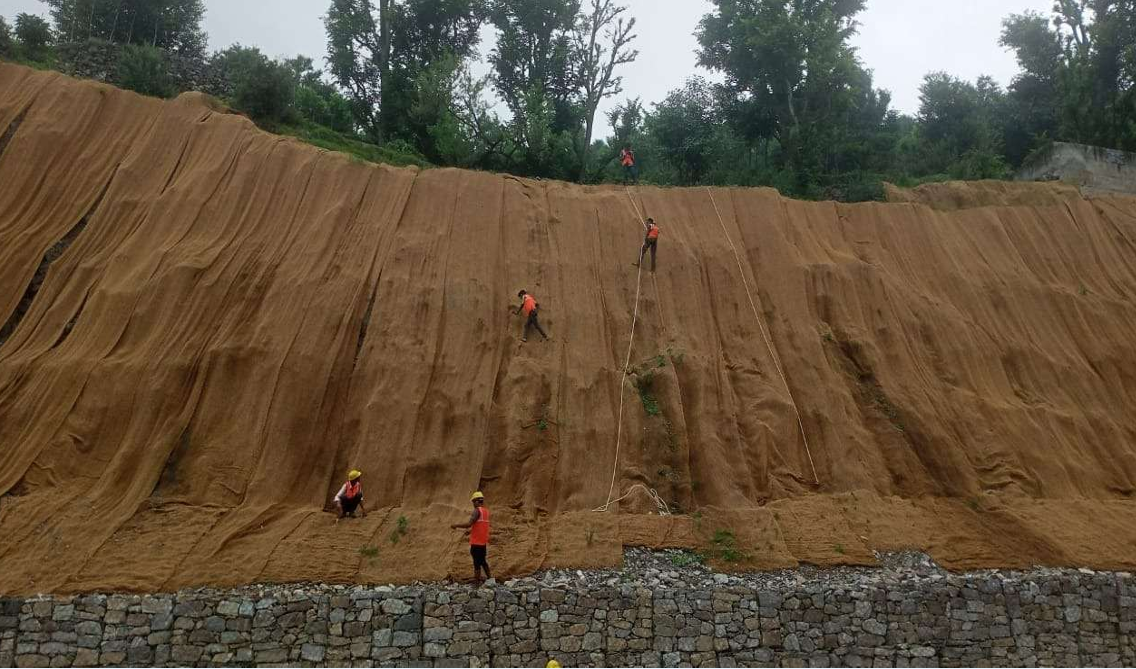
Our high-quality approaches address issues like Soil erosion, contamination, and Soil instability while minimalizing environmental impact.
Quality Assurance of Builder's Nest GeoCells
How long does Geocell last?
Geocells are engineered to last more that 100 years for durability, benefiting from their robust three-dimensional design, which provides notable advantages over traditional two-dimensional geosynthetic reinforcements. However, their lifespan can vary significantly depending on various factors. Key considerations include the quality of raw materials used, the manufacturing process, specific design parameters, weld spacing, installation depth, and the intended application. While research into the long-term performance of geocells continues, these factors play a crucial role in determining their longevity.
When designed and utilized appropriately, geocells can offer a reliable and sustainable solution for a wide range of civil engineering challenges.
FAQs
Frequently Asked Questions
Learn more about geocells and their applications with our FAQs.
What are geocells?
Geocells are three-dimensional, honeycomb-like structures made from materials like high-density polyethylene (HDPE). They are used in construction to stabilize soils, prevent erosion, and improve load-bearing capacity. They can be filled with materials such as soil, gravel, or sand to create a stable base for road construction, slope stabilization, or erosion control.
How do geocells work?
Geocells confine the fill materials within their cellular structure, preventing lateral movement and enhancing load distribution. This results in a more stable surface that can withstand heavy loads, making them ideal for applications like road construction, embankments, and slope stabilization.
What types of projects can benefit from geocells?
Geocells are commonly used in road construction, retaining walls, slope stabilization, and erosion control. They are also useful in green infrastructure projects, parking lots, and hydraulic structures such as channels and culverts.
How are geocells installed?
The installation process involves preparing the site by leveling and compacting the subgrade. The geocells are then laid down, anchored, and filled with appropriate materials (such as gravel). Once filled, the material is compacted to maximize stability and load distribution.
What materials can be used as infill for geocells?
Geocells can be filled with a range of materials depending on the project requirements. Common materials include soil, gravel, and sand. The size of the infill material should be chosen carefully to ensure proper compaction and stability, usually within the range of 20mm to 50mm gravel for road applications.
What are the benefits of using geocells?
Geocells provide enhanced stability and load distribution, making them ideal for road construction, erosion control, and slope stabilization. They reduce the amount of fill material required, cut down on project time, and minimize long-term maintenance costs. Additionally, they help protect natural resources by reducing erosion and improving sustainability in infrastructure projects.
What is the honeycomb configuration used in soil reinforcement?
The honeycomb configuration is one of the strongest structural shapes, observed in both natural and manmade structures. This 3-dimensional honeycomb design has been applied to soil reinforcement to solve complex civil engineering problems, such as supporting loads over soft soils, preventing erosion on steep slopes, and reinforcing lagoon, drainage channel, and landfill linings.
How does the geocell system work?
The geocell system uses strips of extruded polymer that are welded together at intervals to form a honeycomb-like structure when expanded. Once filled with granular materials, the system efficiently transfers both compressive and tensile stresses from heavy loads. This results in higher load support capacity, outperforming traditional geosynthetics and geogrids.